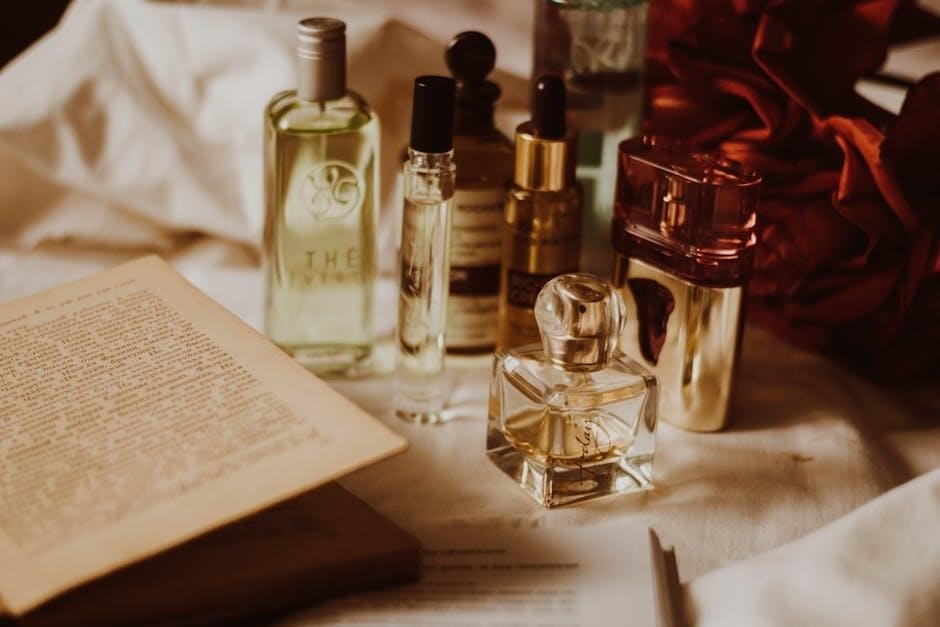
Perfume Notes Guide: A Comprehensive Overview (Updated 02/26/2026)
Discover a world of fragrance, exploring diverse scents and concentrations, from Eau de Parfum to discontinued finds, tailored to your unique preferences and skin chemistry.
Fragrance notes are the building blocks of any perfume, carefully crafted to create a multi-layered olfactory experience. Understanding these notes is key to selecting a scent that resonates with your personality and preferences. A perfume isn’t just a single smell; it’s a complex composition that unfolds over time, revealing different facets.
These notes are categorized into top, middle (or heart), and base notes, each playing a distinct role in the fragrance’s overall character. The journey begins with the initial impression of the top notes, transitions to the core identity established by the heart notes, and concludes with the lasting impression of the base notes. Exploring these layers allows you to truly appreciate the artistry behind perfume creation and discover your signature scent.
Understanding Fragrance Concentrations
Fragrance concentration dictates a perfume’s strength and longevity, significantly impacting its price point. These concentrations refer to the percentage of perfume oil mixed with alcohol and water. Eau de Parfum (EDP) typically contains 15-20% perfume oil, offering a lasting and robust scent. Eau de Toilette (EDT), with 5-15% oil, is lighter and ideal for daytime wear.
Eau de Cologne (EDC), containing 2-4% oil, provides a refreshing, fleeting fragrance. Higher concentrations mean a longer-lasting scent and often a more intense aroma. When choosing, consider your preference for subtlety versus boldness and the occasion for which you’ll be wearing the fragrance.
Eau de Parfum (EDP)
Eau de Parfum (EDP) represents a popular choice, boasting a perfume oil concentration between 15% and 20%. This results in a longer-lasting fragrance, typically around four to five hours, making it suitable for both daytime and evening wear. EDPs offer a noticeable, yet not overpowering, scent profile, delivering a balanced aromatic experience.
Often considered a premium option, EDPs are ideal for those seeking a fragrance with substantial projection and endurance. They are frequently found in designer and luxury perfume lines, showcasing complex scent compositions and high-quality ingredients. Choosing an EDP ensures a sophisticated and enduring olfactory impression.
Eau de Toilette (EDT)
Eau de Toilette (EDT) typically contains a perfume oil concentration ranging from 5% to 15%, offering a lighter and fresher fragrance experience compared to Eau de Parfum. EDTs generally last for two to three hours, making them well-suited for daytime wear or warmer climates where a subtle scent is preferred. They provide a versatile option for casual occasions.
Characterized by their affordability and broad appeal, EDTs are a common choice for everyday use. The lighter concentration makes them less intense, allowing for more frequent reapplication without being overwhelming. Many popular fragrances are initially released as EDTs, offering a wider accessibility to consumers.
Eau de Cologne (EDC)
Eau de Cologne (EDC) represents the lightest concentration of perfume oils, typically ranging between 2% and 4%. Historically, true colognes originated in Cologne, Germany, and featured a blend of citrus notes. Modern EDC formulations, however, can incorporate a wider variety of scents, though citrus remains a common element.
EDCs offer a very fresh and fleeting fragrance experience, lasting approximately two hours. They are ideal for a quick refresh or for those who prefer a barely-there scent. Due to their low concentration, EDCs are generally the most affordable option. Frequent reapplication is often necessary to maintain the fragrance throughout the day, making them perfect for a light, casual impression.
The Fragrance Pyramid: A Layered Approach
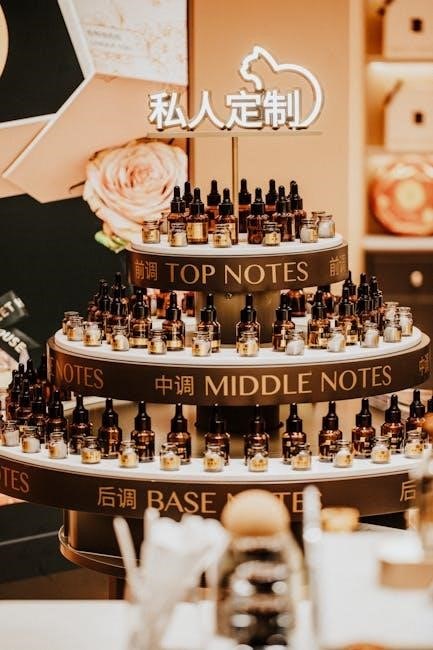
Understanding how a perfume unfolds requires visualizing the fragrance pyramid. This classic structure illustrates the scent’s evolution through three distinct layers: top, middle (heart), and base notes. Each layer contributes to the overall character and longevity of the fragrance, creating a complex and dynamic olfactory experience.
The pyramid isn’t just a conceptual tool; it reflects the volatility of different fragrance ingredients. Lighter, fresher notes rise quickly, while heavier, more tenacious notes linger. Exploring this layered approach allows you to appreciate the artistry behind perfume creation and identify scents that resonate with your preferences.
Top Notes: The First Impression
Top notes form your initial encounter with a fragrance, representing approximately 15-25% of the composition. These are typically light, volatile molecules – often citrus fruits like lemon and bergamot, or fresh herbal elements – designed to immediately capture attention. They create the first impression, offering a bright and invigorating burst of scent.
However, top notes are fleeting, usually lasting between 5-15 minutes. Their primary role is to entice and draw you in, paving the way for the heart notes to emerge. While they don’t define the perfume’s overall character, they are crucial for that all-important first sniff and initial appeal.
Middle (Heart) Notes: The Core of the Fragrance
Middle, or heart notes, emerge as the top notes dissipate, forming the central character of the perfume – comprising around 40-80% of the fragrance. These notes are typically floral, like rose or jasmine, or spicy, offering a more rounded and complex aroma. They develop after 10-30 minutes on the skin, revealing the true personality of the scent.
Heart notes are responsible for the perfume’s main theme and contribute significantly to its lasting impression. They blend seamlessly with the top notes and lay the foundation for the base notes, creating a harmonious and balanced olfactory experience. They generally last for several hours, providing the core identity of the fragrance.
Base Notes: The Long-Lasting Foundation
Base notes provide the depth and longevity of a fragrance, emerging after the heart notes have settled – typically after several hours. Comprising around 15-25% of the perfume’s composition, they are often woody, amber, or vanilla-based, offering a rich and grounding aroma. These notes anchor the fragrance, creating a lasting impression on the skin.
They interact with your skin chemistry, evolving over time and providing a subtle, lingering scent. Base notes can last for several hours, even up to a full day, and are crucial for determining a perfume’s overall character and staying power. They are the foundation upon which the entire fragrance is built.
Common Fragrance Note Families
Fragrances are broadly categorized into families, each offering a distinct olfactory experience. Floral notes, a classic choice, feature scents like rose, jasmine, and lavender, evoking a sense of romance and freshness. Oriental (Amber) notes are warm and spicy, often incorporating vanilla, amber, and cinnamon, creating a luxurious and inviting aroma.
Woody notes, such as sandalwood, cedarwood, and patchouli, provide an earthy and sophisticated base. Fresh notes, including citrus, aquatic, and green accords, offer a clean and invigorating sensation. Understanding these families helps navigate the vast world of perfumes and discover scents aligned with your preferences.
Floral Notes: A Classic Bouquet
Floral notes represent a timeless and beloved fragrance family, celebrated for their delicate and romantic qualities. Rose offers a rich, velvety scent, symbolizing love and beauty, while jasmine provides an intoxicating, exotic aroma often associated with femininity. Lavender, though sometimes linked to calming pillow sprays, possesses a complex floral profile, offering both freshness and soothing undertones.
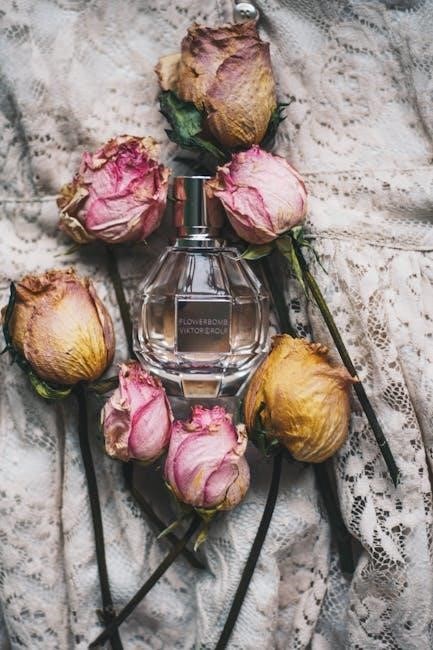
These blooms, and countless others, form the heart of many perfumes, creating elegant and captivating compositions. Floral fragrances are versatile, suitable for various occasions and personal styles, making them a perennial favorite among perfume enthusiasts.
Rose
Rose, a quintessential floral note, embodies romance and timeless elegance within perfumery. Its scent profile is remarkably complex, ranging from fresh and green to rich, velvety, and even slightly fruity, depending on the rose variety used – Bulgarian, Damask, or Tea Rose, each offering a unique nuance. Historically significant, rose has been treasured for centuries, symbolizing love and beauty.
In fragrances, rose can be the star, or it can blend beautifully with other notes, adding depth and sophistication. It pairs exceptionally well with fruity, spicy, or woody accords, creating captivating and memorable scents.
Jasmine
Jasmine is a powerfully intoxicating floral note, renowned for its rich, sweet, and slightly animalic aroma. Often referred to as the “Queen of the Night” due to its nocturnal blooming and intense fragrance, jasmine offers a heady and opulent experience. Different types, like Sambac and Grandiflorum, contribute varying facets – from indolic and creamy to green and tea-like.
Frequently used as a heart note, jasmine provides a warm and sensual core to perfumes. It blends seamlessly with other florals, spices, and woody notes, creating complex and alluring compositions. Its versatility makes it a staple in both feminine and unisex fragrances.
Lavender
Lavender, often associated with tranquility and relaxation, is far more complex than simply a calming scent. While known for its comforting presence in pillow sprays and reminiscent of grandmothers’ homes, lavender offers a multifaceted aromatic profile. It presents floral, herbaceous, and slightly woody nuances, capable of lending both freshness and warmth to a fragrance.
Frequently employed as a top or middle note, lavender’s versatility allows it to blend beautifully with citrus, floral, and woody accords. It’s a common ingredient in colognes and unisex perfumes, offering a clean and sophisticated appeal. Beyond relaxation, lavender can evoke feelings of clarity and serenity.
Oriental (Amber) Notes: Warm and Spicy
Oriental, often referred to as amber, fragrance notes are renowned for their rich, warm, and inviting character. This family evokes a sense of luxury and sensuality, blending seamlessly with spices, resins, and sweet accords. These scents are typically long-lasting, creating a captivating and memorable trail.
Key components include vanilla, offering a creamy sweetness, and amber itself, providing a resinous depth. Spices like cinnamon and clove add a touch of intrigue and warmth. Oriental fragrances are perfect for evening wear or cooler seasons, offering a comforting and sophisticated aura. They often feature a powdery or balsamic undertone, enhancing their complexity.
Vanilla
Vanilla is a universally appealing fragrance note, celebrated for its comforting, sweet, and creamy aroma. It’s a foundational element in many oriental and gourmand perfumes, lending a warm and inviting quality. However, vanilla isn’t simply ‘sweet’ – its facets range from milky and floral to smoky and boozy, depending on its origin and extraction method.
High-quality vanilla absolute offers a complex scent profile, far beyond artificial vanilla scents. It blends beautifully with spices, florals, and woody notes, adding depth and richness. Vanilla enhances longevity and provides a soft, enveloping base. It’s a versatile ingredient, suitable for both feminine and masculine fragrances, creating a sense of indulgence and warmth.
Amber
Amber, in perfumery, isn’t a single ingredient but a warm, resinous accord traditionally built around labdanum, benzoin, and vanilla. It evokes a sense of warmth, sensuality, and depth, forming the heart of many oriental fragrances. True amber, derived from fossilized tree resin, is incredibly rare and expensive, hence the use of the accord.
The amber accord provides a rich, golden hue to a fragrance, often described as powdery, slightly sweet, and balsamic. It blends seamlessly with floral, spicy, and woody notes, creating a luxurious and enveloping experience. Amber adds tenacity and a lingering warmth, making it a popular base note for both women’s and men’s perfumes.
Spices (Cinnamon, Clove)
Spices like cinnamon and clove introduce a captivating warmth and complexity to fragrances, deeply rooted in historical trade routes and exotic allure. Cinnamon offers a sweet, woody, and slightly spicy aroma, adding a comforting and inviting quality. Clove, conversely, presents a pungent, intensely aromatic, and slightly medicinal scent, providing a bold and stimulating edge.
These spices are frequently used in oriental and woody compositions, lending depth and intrigue. They blend beautifully with vanilla, amber, and floral notes, creating a rich and memorable olfactory experience. Their potent nature means they are typically used in moderation, acting as accent notes to enhance and uplift the overall fragrance profile.
Woody Notes: Earthy and Sophisticated
Woody notes evoke a sense of grounding and timeless elegance, bringing the natural world into fragrance compositions. These scents are derived from tree barks, roots, and mosses, offering a spectrum from dry and smoky to creamy and smooth. They are often used as base notes, providing a long-lasting foundation and a feeling of warmth and stability.
Woody accords are incredibly versatile, pairing well with florals, spices, and fresh elements. They lend sophistication and depth, appealing to those who prefer a more mature and understated scent profile. Popular choices include sandalwood, cedarwood, and patchouli, each offering a unique character and nuance.
Sandalwood
Sandalwood is a highly prized woody note, celebrated for its creamy, smooth, and subtly sweet aroma. Traditionally sourced from the heartwood of sandalwood trees, it offers a rich and comforting scent with a hint of balsamic undertones. It’s a classic ingredient in perfumery, lending a luxurious and grounding quality to fragrances.
Due to sustainability concerns surrounding natural sandalwood, many modern perfumes utilize synthetic alternatives that closely mimic its scent profile. Sandalwood blends beautifully with floral, oriental, and woody accords, adding depth and warmth. It’s often described as sensual and calming, making it a popular choice for both men’s and women’s fragrances.
Cedarwood
Cedarwood presents a dry, woody aroma with a slightly balsamic and smoky character; Unlike the fresh, green scent of cedar leaves, cedarwood oil is extracted from the wood itself, offering a warmer, more resinous fragrance. Different types of cedarwood – Virginia, Texas, and Atlas – contribute unique nuances to perfumes.
It’s a versatile ingredient, often used to provide a solid foundation in masculine fragrances, but also complements floral and oriental compositions. Cedarwood imparts a sense of stability and sophistication, blending well with spices, citrus, and other woody notes. Its grounding effect makes it a popular base note, enhancing longevity and depth.
Patchouli
Patchouli delivers a rich, earthy, and slightly sweet aroma, often described as musky and woody with hints of spice. Derived from the leaves of the Pogostemon cablin plant, its scent evolves over time, becoming smoother and more refined. Historically associated with bohemian culture, patchouli now enjoys widespread appeal in modern perfumery.
It’s a potent base note, lending depth and longevity to fragrances. Patchouli blends beautifully with floral, oriental, and woody accords, adding complexity and a touch of intrigue. High-quality patchouli offers a refined, chocolate-like nuance, while lower grades can be more camphorous. It’s a key ingredient in many iconic perfumes.
Fresh Notes: Clean and Invigorating
Fresh notes evoke a sense of cleanliness, energy, and vitality, making them ideal for daytime wear and warmer seasons. This family encompasses a wide range of scents, from zesty citrus fruits to the cool spray of the ocean and the crispness of green foliage. They typically form the top notes of a fragrance, providing an initial burst of brightness.
Citrus notes like lemon and bergamot offer uplifting and sparkling aromas, while aquatic notes capture the essence of marine air and sea salt. Green notes, reminiscent of freshly cut grass and leaves, contribute a natural and revitalizing quality. These notes create a light and airy impression.
Citrus Notes (Lemon, Bergamot)
Citrus notes, prominently featuring lemon and bergamot, are renowned for their bright, zesty, and uplifting qualities within perfumery. These scents deliver an immediate burst of freshness, making them incredibly popular as top notes in fragrances. Lemon provides a sharp, clean aroma, while bergamot offers a more complex, slightly floral citrus scent with a hint of spice.
They contribute to a fragrance’s initial impression, creating a lively and invigorating opening. Citrus notes blend well with floral, woody, and other fresh accords, adding a sparkling facet. Their versatility makes them suitable for both feminine and masculine compositions, enhancing overall appeal.
Aquatic Notes (Marine, Sea Salt)
Aquatic notes, encompassing marine and sea salt accords, evoke the invigorating essence of the ocean and coastal breezes. These notes aim to replicate the scent of saltwater, seaweed, and the fresh, clean air associated with marine environments. They often contribute a cooling, refreshing quality to fragrances, making them particularly appealing in warmer seasons.
Marine notes can range from a subtle, airy freshness to a more pronounced, salty aroma. Sea salt adds a mineral-like facet, enhancing the realistic aquatic impression. They pair beautifully with citrus, floral, and woody elements, creating dynamic and versatile compositions.
Green Notes (Grass, Leaves)
Green notes capture the revitalizing aroma of freshly cut grass, crushed leaves, and lush foliage, bringing a natural and vibrant quality to perfumes. These notes often evoke a sense of outdoors, freshness, and vitality, reminiscent of gardens and forests. They can range from bright, crisp green scents to deeper, earthier tones.
Common green notes include galbanum, violet leaf, and hyacinth, each contributing a unique facet to the overall fragrance profile. They blend exceptionally well with floral, citrus, and woody accords, adding complexity and a naturalistic touch. Green notes are often used to create uplifting and invigorating scents.
Identifying Notes in Perfumes
Decoding a fragrance composition requires practice, but several techniques can help you identify individual notes. Start by spraying the perfume and allowing it to develop over time, observing how the scent evolves through its top, middle, and base note stages.
Consider isolating individual scents – can you detect floral, fruity, or woody elements? Online fragrance databases and communities can be invaluable resources, offering detailed breakdowns of perfume compositions and user reviews.
Focusing on dominant accords and comparing them to familiar scents can also aid identification. Remember, perception is subjective, and your interpretation may differ.
How Skin Chemistry Affects Fragrance
Your unique skin chemistry significantly alters how a fragrance smells on you. Factors like pH levels, hydration, diet, and even hormones interact with perfume molecules, creating a personalized scent experience.
Dry skin tends to absorb fragrance quickly, diminishing its longevity, while oily skin can amplify and prolong scent projection. Similarly, a person’s natural body odor blends with the perfume, resulting in a unique aroma.

Testing a fragrance on your skin, rather than relying on paper strips, is crucial for understanding its true character and ensuring compatibility with your body.
Finding Your Signature Scent
Embark on a personal olfactory journey to discover a fragrance that truly embodies your identity. Consider your lifestyle, personality, and the occasions for which you’ll wear the scent. Explore different fragrance families – floral, oriental, woody, or fresh – to identify preferred notes.
Don’t be afraid to sample extensively, testing fragrances on your skin throughout the day to observe how they evolve. Pay attention to how a scent makes you feel – confidence, comfort, or invigoration are key indicators.

A signature scent isn’t about trends; it’s about finding a timeless fragrance that feels authentically you.
Discontinued Fragrances and Where to Find Them
The heartbreak of a discontinued fragrance is real, but hope remains! Many online retailers specialize in sourcing hard-to-find perfumes and colognes. FragranceX.com boasts a vast selection, including discontinued brands, offering savings up to 80% off department store prices. Explore online auction sites and fragrance communities where collectors often resell beloved, discontinued scents.
Be cautious of authenticity when purchasing from unofficial sources; verify seller reviews and product descriptions carefully. Websites offering samples can also be a cost-effective way to acquire smaller quantities of a discontinued treasure.